can hypoglycemia cause elevated blood pressure Difference between diabetes and hypoglycemia
Hyperglycemia is a medical condition characterized by an abnormally high level of sugar or glucose in the blood. It is a common condition that affects millions of people around the world, mostly those with diabetes. While mild increase in blood sugar levels can be managed through diet and exercise, more severe cases require medical attention to prevent long-term health complications. One of the most common causes of hyperglycemia is diabetes. In this condition, the body is unable to either produce enough insulin or use it effectively. Insulin is a hormone that regulates the amount of glucose in the blood. Without proper insulin action, the glucose builds up in the bloodstream, leading to hyperglycemia. Other factors that can cause hyperglycemia include stress, illness, steroid medication, and certain medical conditions. If left unmanaged, hyperglycemia can cause several health problems such as nerve damage, kidney damage, cardiovascular disease, and eye damage. Therefore, it is important for people with diabetes to monitor their blood sugar levels regularly and take the necessary steps to manage it effectively. One crucial step for managing hyperglycemia is through a healthy diet. A balanced diet that is rich in fiber, low in carbohydrates, and includes lean protein and healthy fats can help regulate blood sugar levels and prevent spikes. Similarly, regular physical activity, at least 30 minutes of moderate exercise a day, can improve insulin sensitivity and lower blood sugar levels. In addition, medications such as insulin injections, oral medication, and blood sugar monitoring devices can also help manage hyperglycemia and prevent complications. It is important to work closely with a healthcare provider to determine the right medication and dosage for an individual’s needs. In conclusion, hyperglycemia is a serious medical condition that requires proper management to prevent long-term health complications. A healthy diet, regular exercise, and medication can all help regulate blood sugar levels and improve overall health. If you are experiencing symptoms of hyperglycemia, it is important to seek medical attention and work closely with a healthcare provider to manage the condition effectively.
If you are looking for Does Intermittent Fasting Cause Hypoglycemia? - Purposeful Nutrition you’ve visit to the right place. We have 5 Pictures about Does Intermittent Fasting Cause Hypoglycemia? - Purposeful Nutrition like Pin on Medical Treatment, Effects of Low Blood Sugar on the Body and also What Is Hyperglycemia? - Health n Well.com. Here it is:
Does Intermittent Fasting Cause Hypoglycemia? - Purposeful Nutrition
 www.purposefulnutrition.comhypoglycemia fasting intermittent purposeful
Pin On Medical Treatment
 www.pinterest.comhypoglycemia diabetes verywell verywellhealth
Difference Between Diabetes And Hypoglycemia | Diabetes Vs Hypoglycemia
 www.differencebetween.infohypoglycemia endocrino sistema diabetic breath fruity hipoglucemia seizure adrenal fisioterapia headache glands gland diabetestalk seizures
What Is Hyperglycemia? - Health N Well.com
 healthnwell.comhyperglycemia healthnwell
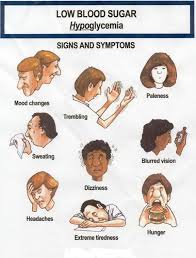
Effects Of Low Blood Sugar On The Body
 hypogalblog.comhypoglycemia hypoglycemic experiencing diabetic
Effects of low blood sugar on the body. Does intermittent fasting cause hypoglycemia?. What is hyperglycemia?