clinical features of leprosy Lepromatous leprosy, definition, causes, symptoms, diagnosis, treatment
Leprosy is a bacterial disease that has been around for thousands of years. It mainly affects the nerves and skin of the infected person. Although it is commonly associated with the Middle Ages, it is still present in many parts of the world today. In this post, we will walk you through the clinical diagnosis of leprosy and its features using some informative images.
Clinical Diagnosis of Leprosy
Leprosy is caused by the bacteria Mycobacterium leprae. It mainly affects the skin and nerve cells. The incubation period for leprosy can range from 6 months to 40 years. Hence, the diagnosis of leprosy can be tricky in some cases. Here are some of the clinical features of leprosy:
 1. Skin Lesions: One of the main features of leprosy is the appearance of skin lesions. These lesions usually have a raised edge and may look like a bump or a patch with abnormal pigmentation. They can appear anywhere on the body.
2. Nerve Involvement: Leprosy mainly affects the peripheral nerves. If left untreated, it can lead to nerve damage and paralysis. The patient may experience numbness or weakness in the affected area.
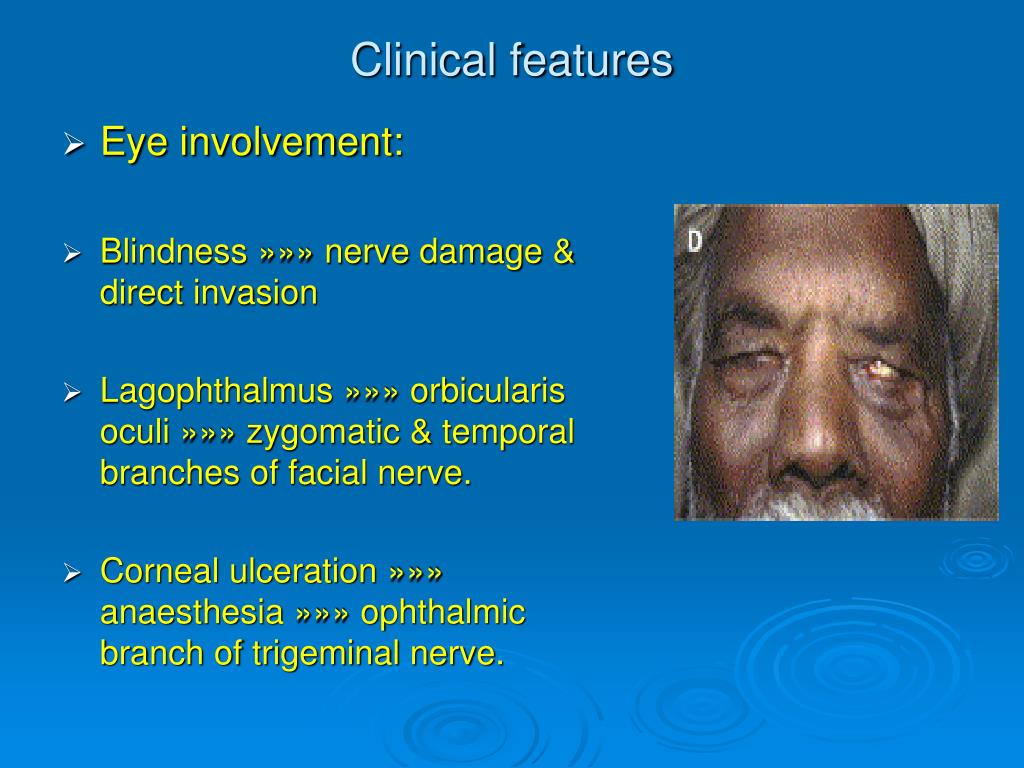
3. Eye Involvement: In some cases, leprosy may also affect the eyes. The patient may experience eye pain, redness, and sensitivity to light.
How is Leprosy Diagnosed?
The diagnosis of leprosy is mainly based on clinical examination. However, in some cases, a skin biopsy may be required to confirm the diagnosis. A skin biopsy involves taking a small sample of skin tissue and examining it under a microscope.
 Treatment of Leprosy: Leprosy is treated with a combination of antibiotics. The treatment may last for several months or even years depending on the severity of the disease. The antibiotics used for leprosy treatment are mainly rifampicin, dapsone, and clofazimine.
Conclusion: Leprosy may have been around for a long time, but it is still a prevalent disease in many parts of the world. The clinical diagnosis of leprosy is mainly based on skin lesions, nerve involvement, and eye involvement. In some cases, a skin biopsy may be required to confirm the diagnosis. The treatment for leprosy is mainly antibiotics that may last for several months or years.
In conclusion, leprosy is a bacterial disease that can be treated with antibiotics. The clinical diagnosis of leprosy may be tricky, but with the help of skin lesions, nerve involvement, and eye involvement, it is easy to diagnose. We hope this post has been informative to you and you have learned a lot about leprosy and its features. If you are searching about Clinical Diagnosis of Leprosy | International Textbook of Leprosy you’ve visit to the right page. We have 5 Pictures about Clinical Diagnosis of Leprosy | International Textbook of Leprosy like Clinical Diagnosis of Leprosy | International Textbook of Leprosy, Lepromatous leprosy, definition, causes, symptoms, diagnosis, treatment and also PPT - Leprosy Hansen’s disease PowerPoint Presentation, free download. Here it is:
Clinical Diagnosis Of Leprosy | International Textbook Of Leprosy
internationaltextbookofleprosy.comleprosy clinical diagnosis features bt fig hypopigmented
PPT - Leprosy Hansen’s Disease PowerPoint Presentation, Free Download
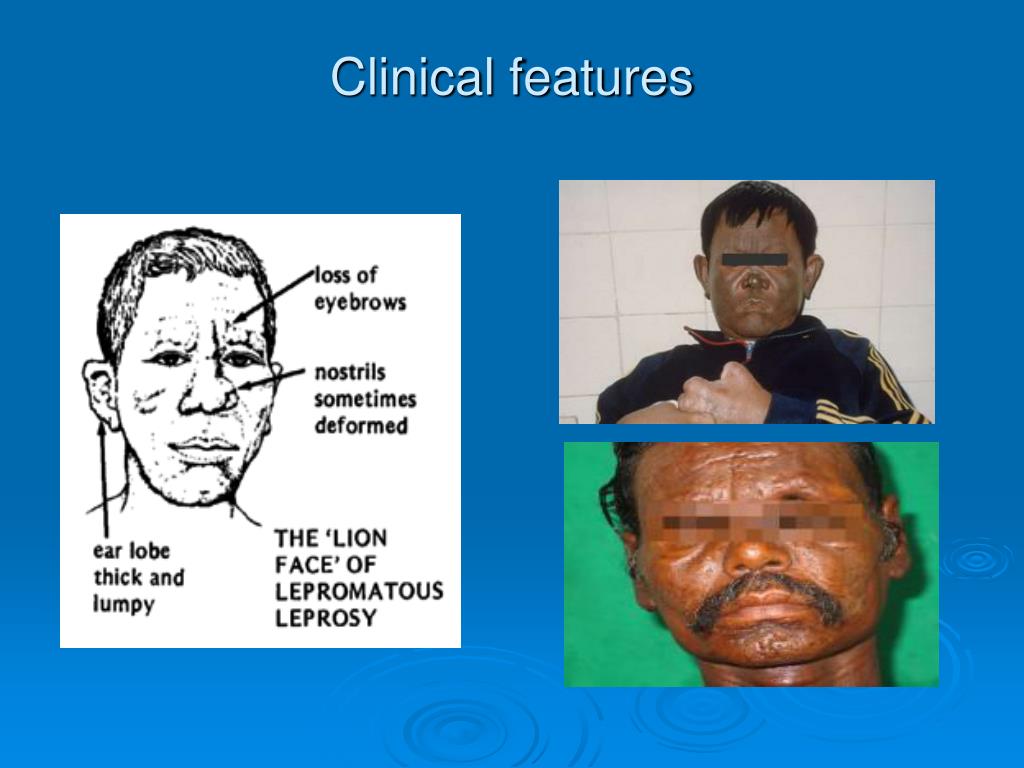 www.slideserve.comleprosy disease clinical hansen features ppt powerpoint presentation
PPT - Leprosy Hansen’s Disease PowerPoint Presentation, Free Download
www.slideserve.comleprosy clinical disease hansen ppt features presentation nerve damage powerpoint
PPT - Leprosy Hansen’s Disease PowerPoint Presentation, Free Download
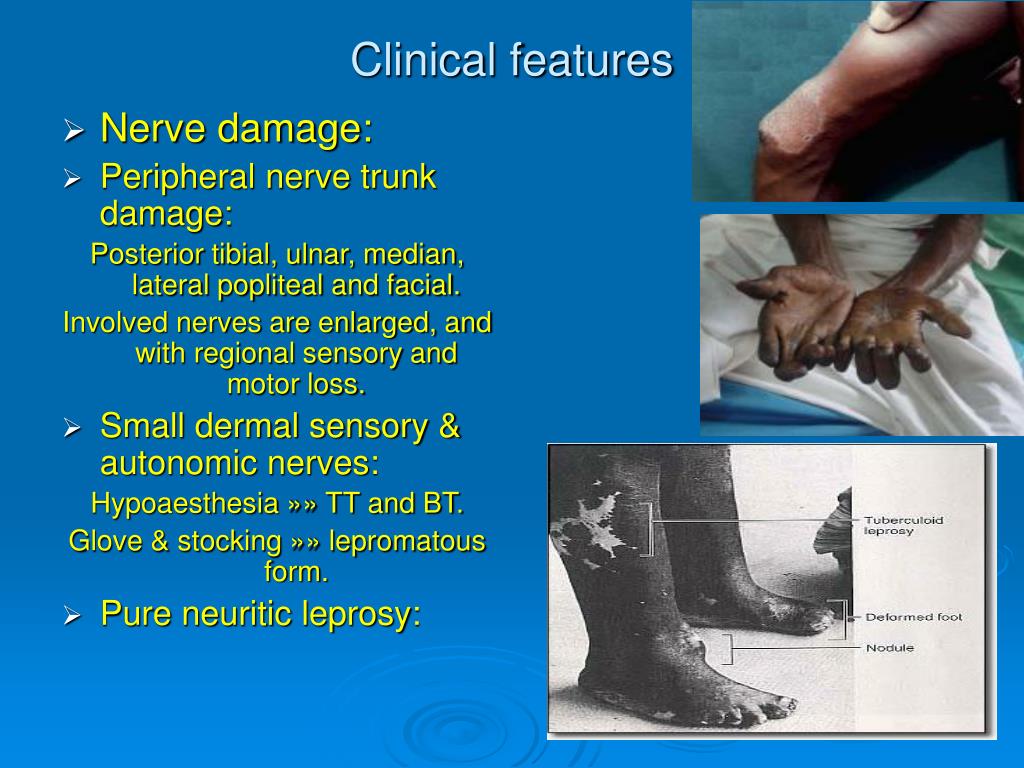 www.slideserve.comleprosy clinical ppt disease hansen features presentation nerve damage powerpoint nerves peripheral facial
Lepromatous Leprosy, Definition, Causes, Symptoms, Diagnosis, Treatment
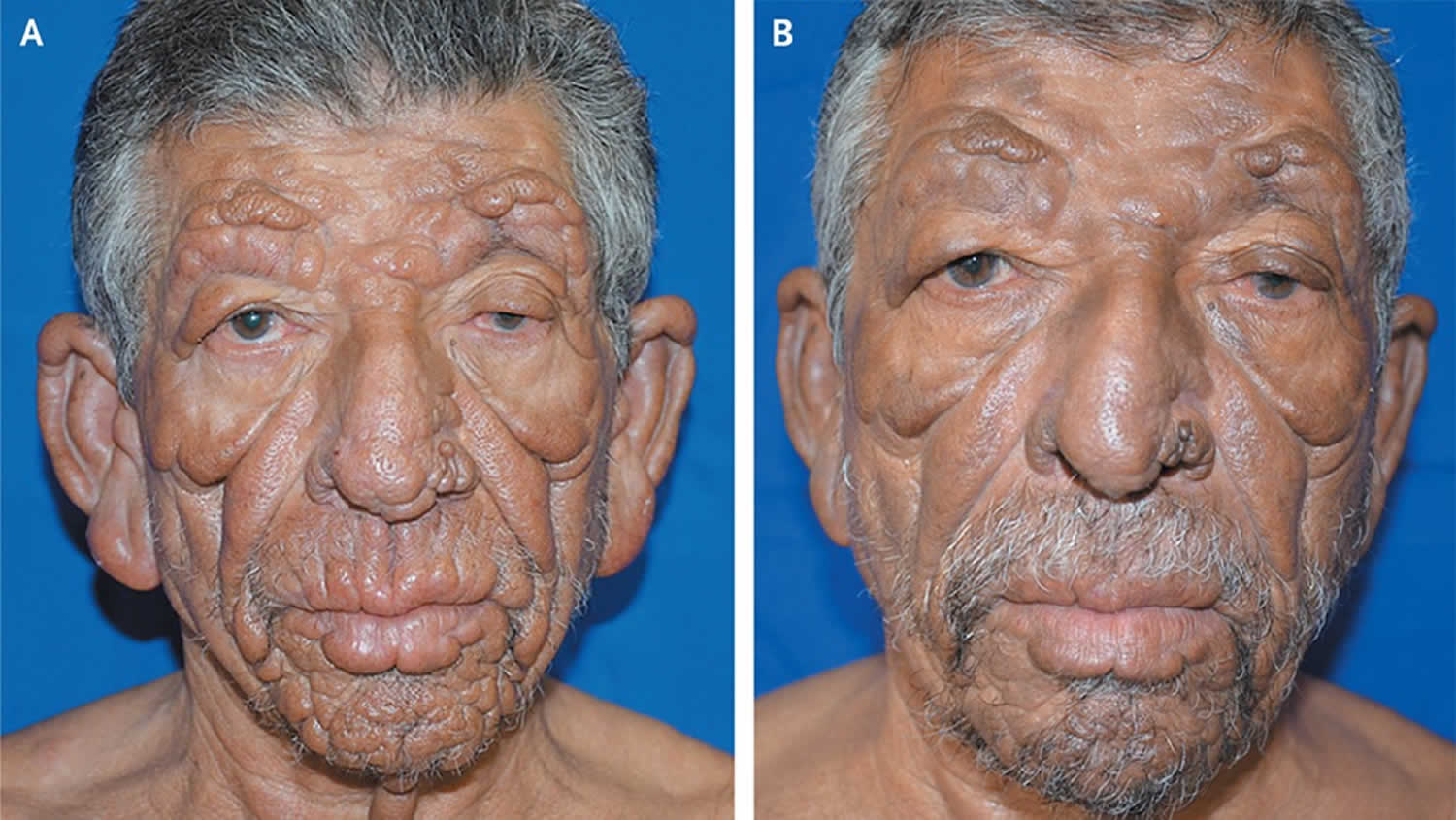 healthjade.netleprosy lepromatous lepra facies leonine facie nejm tuberculoid leonina leprae mycobacterium pathogenesis morbus definition diffuse causas infection early
Leprosy clinical disease hansen ppt features presentation nerve damage powerpoint. Leprosy disease clinical hansen features ppt powerpoint presentation. Leprosy lepromatous lepra facies leonine facie nejm tuberculoid leonina leprae mycobacterium pathogenesis morbus definition diffuse causas infection early