is leprosy curable disease Did leprosy originate in europe?
Recent research has raised questions about the origins of leprosy. Historically, it was believed that the disease originated in Asia, but new evidence suggests that it may have actually originated in Europe. In addition to shedding light on the history of this disease, this research may also have implications for its treatment and prevention.
The Origins of Leprosy
Leprosy, also known as Hansen’s disease, is a chronic bacterial infection that primarily affects the skin, nerves, and mucous membranes. It is caused by the bacterium Mycobacterium leprae, which was first identified by Norwegian physician Gerhard Hansen in 1873. For many years, it was believed that the disease originated in Asia, and that it spread to Europe in the Middle Ages through trade and military expansion. However, recent research has challenged this view.
A study published in the journal Science in 2018 found that leprosy bacteria recovered from skeletons in Scandinavia dated back to the first century CE, more than a thousand years earlier than previously thought. This suggests that leprosy may have originated in Europe, and that it was brought to Asia by migrants or soldiers. Another study published in the journal PLOS Pathogens in 2019 found that leprosy bacteria recovered from skeletons in England dated back to the sixth century CE, providing further evidence for the European origin hypothesis.
Armadillos and Leprosy
In addition to shedding light on the origins of leprosy, recent research has also highlighted a curious connection between the disease and armadillos. Armadillos are the only other known animal besides humans to contract leprosy, and research has shown that some cases of leprosy in humans in the southern United States may be linked to exposure to armadillos.
A study published in the journal American Journal of Tropical Medicine and Hygiene in 2018 found that leprosy bacteria recovered from armadillos in the United States were highly similar to those found in leprosy patients in the same region. This suggests that armadillos may be a reservoir for the disease, and that humans may be contracting the disease from exposure to armadillos. Although most cases of leprosy in the United States are imported from other countries, the discovery of this link has raised concerns about the potential for local transmission.
Implications for Treatment and Prevention
The discovery that leprosy may have originated in Europe rather than Asia has several implications for the treatment and prevention of the disease. For example, it suggests that the disease may have been present in Europe for longer than previously thought, which could help researchers better understand its spread and evolution. It also means that the genetic diversity of leprosy bacteria may be greater than previously thought, which could make it more difficult to develop effective treatments and vaccines.
The discovery of the link between armadillos and leprosy in humans has also raised concerns about the need for public health measures to prevent transmission. Although leprosy is a relatively rare disease, with around 200,000 new cases reported worldwide each year, it can be debilitating and disfiguring if left untreated. Early diagnosis and treatment with antibiotics can cure the infection and prevent further transmission.
Conclusion
The recent research on the origins of leprosy and its connection to armadillos highlights the ongoing need for scientific inquiry into this enigmatic disease. By better understanding its history, transmission, and genetic diversity, researchers may be able to develop more effective treatments and prevention strategies to eliminate this disease once and for all.
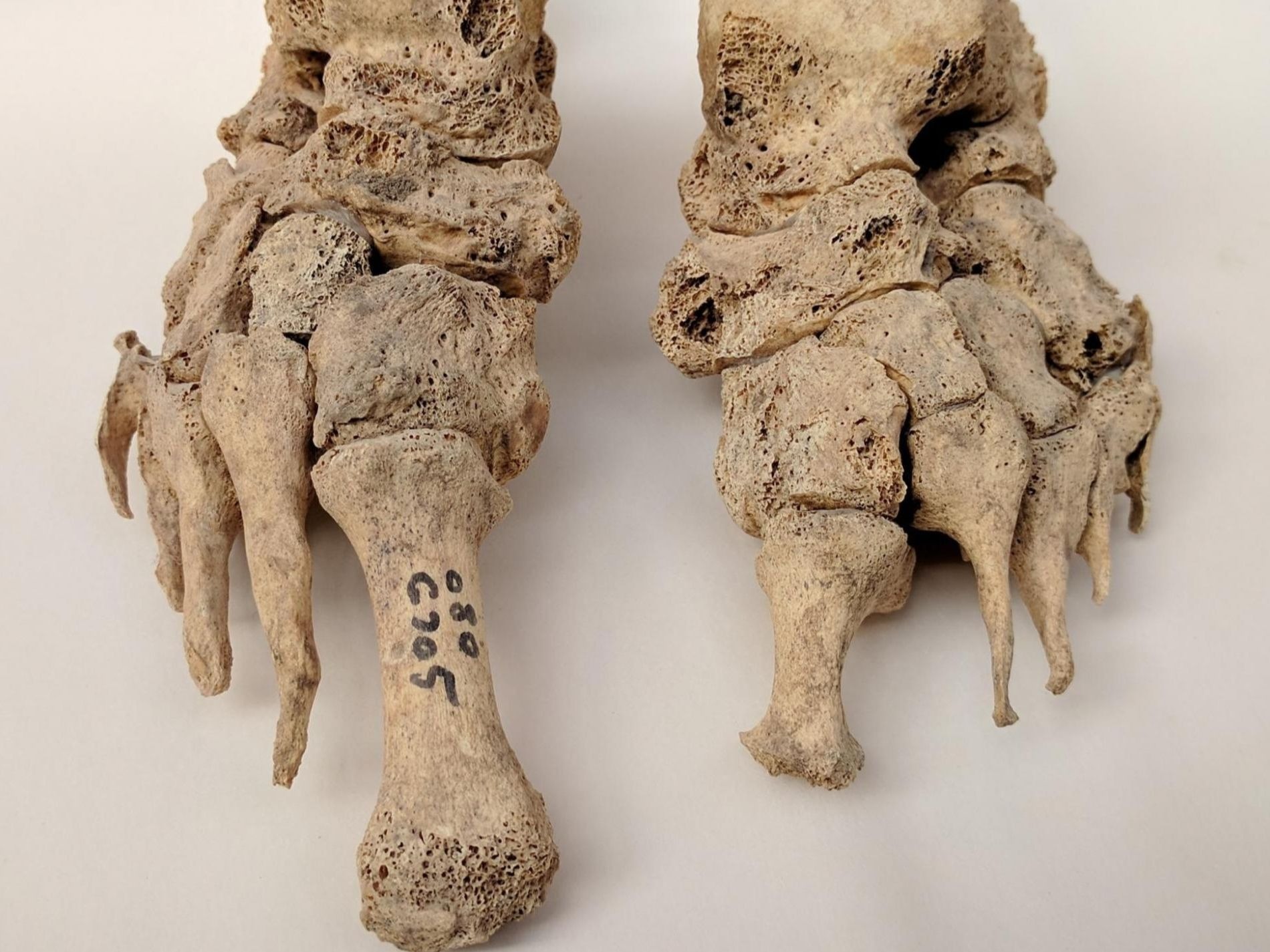 Leprosy can cause severe deformities in the facial features of infected persons.
The research shows that historical beliefs about the origins of the disease should be re-examined in light of new evidence.
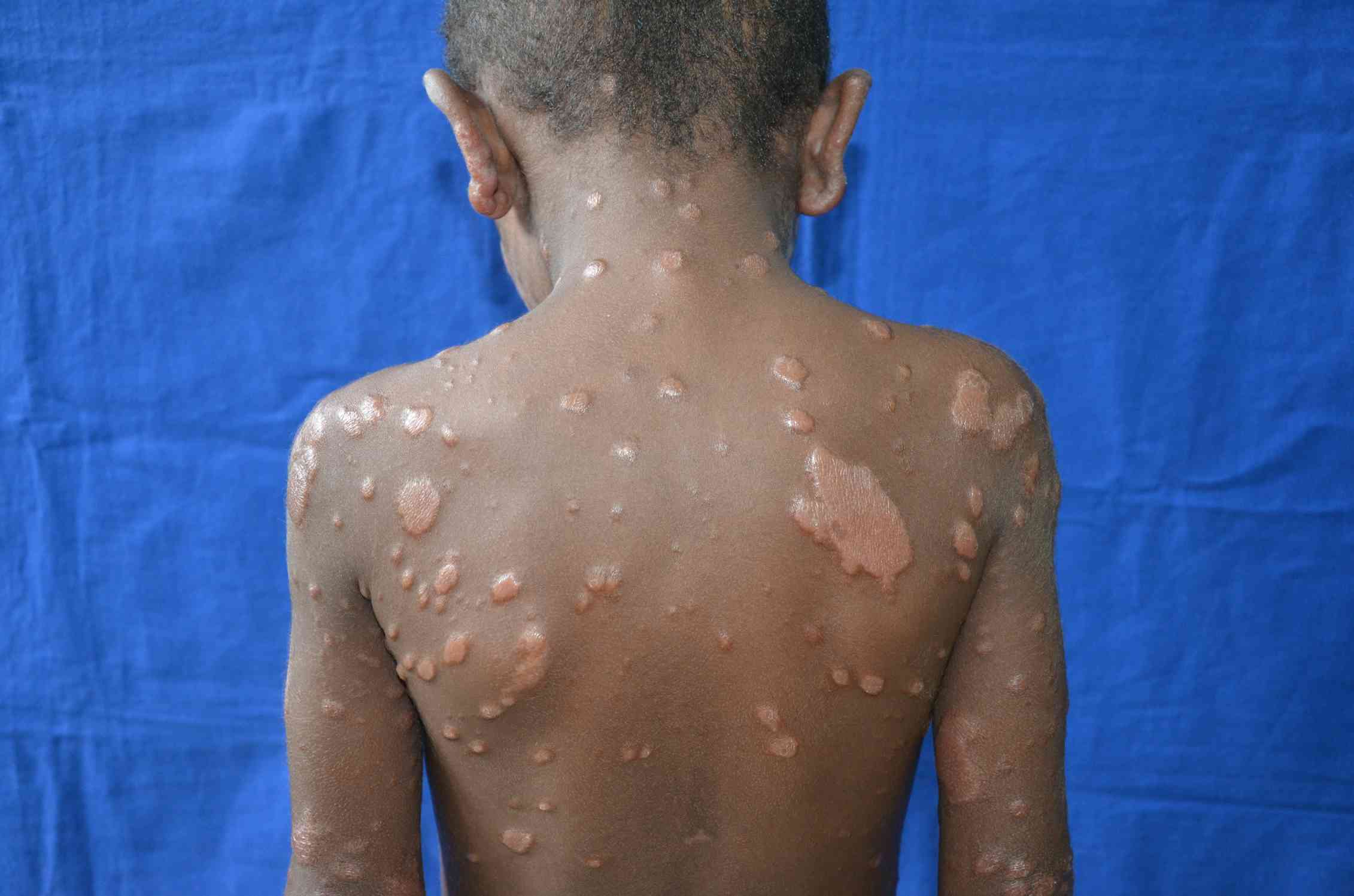 Armadillos are the only other known animal besides humans to contract leprosy.
The link between leprosy in humans and armadillos underscores the importance of public health measures to prevent transmission.
If you are searching about What Is Leprosy? | The Leprosy Mission Northern Ireland you’ve visit to the right web. We have 5 Images about What Is Leprosy? | The Leprosy Mission Northern Ireland like Did leprosy originate in Europe? | UCL News - UCL - London’s Global, Humans gave leprosy to armadillos – now they are giving it back to us and also Leprosy: a curable disease - Dr.Abhijit Misra MBBS(Cal),MD Pediatrics. Here you go:
What Is Leprosy? | The Leprosy Mission Northern Ireland
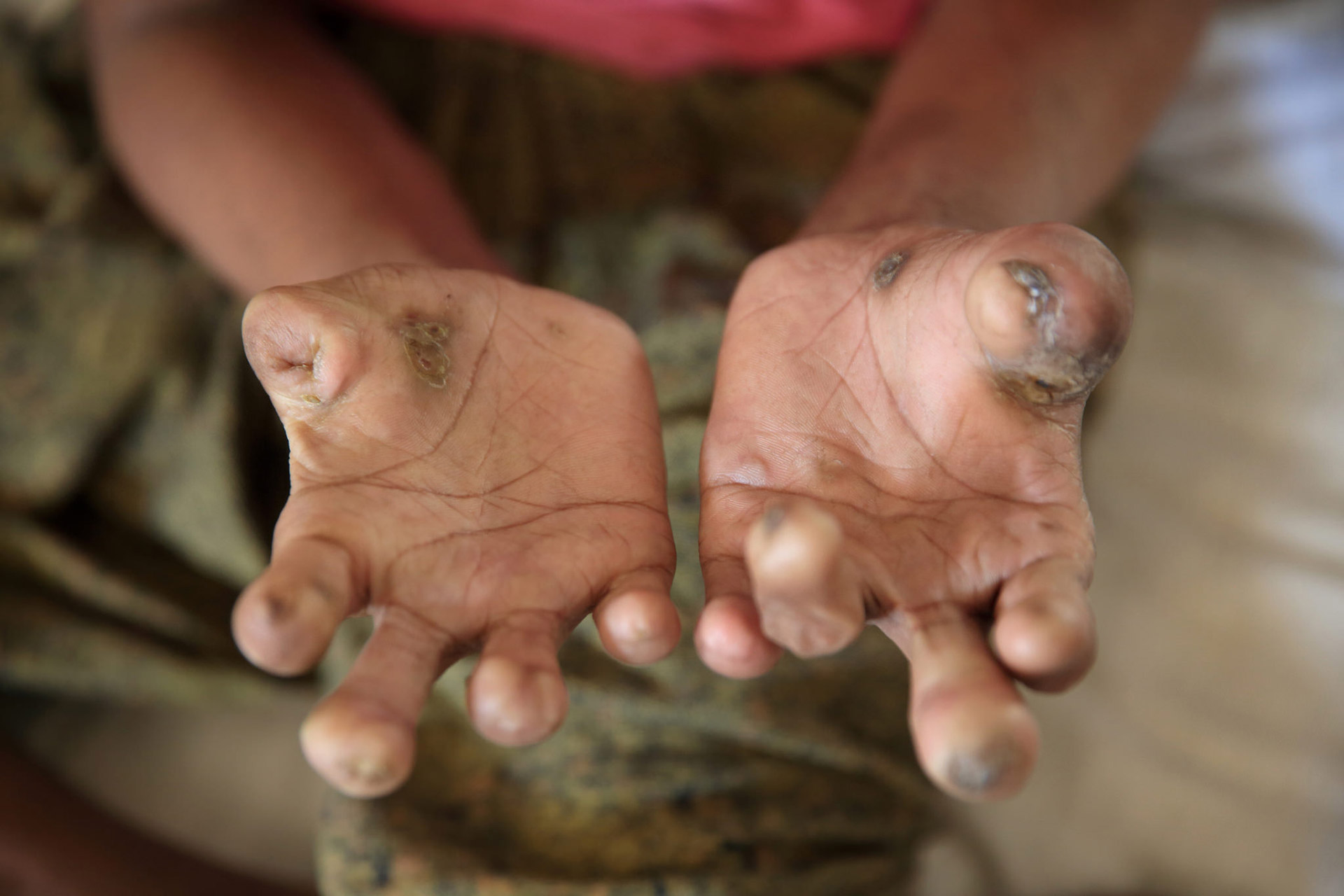 www.tlm-ni.orgleprosy hands
Leprosy Fact Sheet | Africa Health Organisation
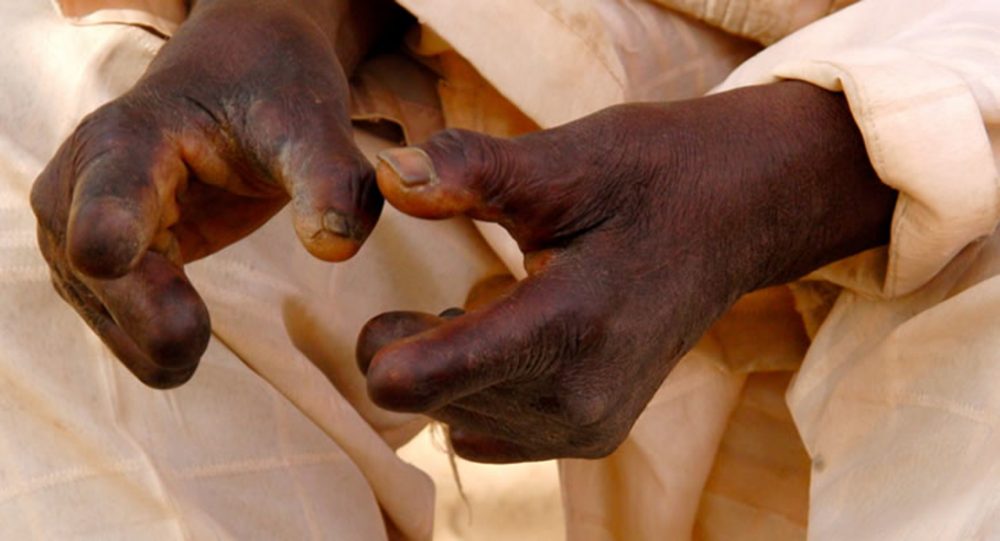 aho.orgleprosy leprae bacillus hansens chronic infectious mycobacterium acid ago
Did Leprosy Originate In Europe? | UCL News - UCL - London’s Global
www.ucl.ac.ukleprosy disease europe originate did ucl debilitating previously medieval present thought than were
Humans Gave Leprosy To Armadillos – Now They Are Giving It Back To Us
theconversation.comleprosy lesions armadillos disease brazil armadillo hansen salgado spreads
Leprosy: A Curable Disease - Dr.Abhijit Misra MBBS(Cal),MD Pediatrics
 drabhijitmisra.comleprosy curable peripheral leprae mycobacterium affects primarily hansen bacteria
Did leprosy originate in europe?. Leprosy curable peripheral leprae mycobacterium affects primarily hansen bacteria. Leprosy fact sheet