what are 3 stages of the cell cycle Introduction to mitosis
The wonders of science never cease to amaze us, and today we’re going to take a look at the complex world of cell cycles. As we delve deeper into genetics and biology, we learn more and more about how complex and intricate our bodies really are. That’s where cell cycles come in - they’re the processes by which cells replicate and divide, and they’re crucial to all living organisms. Let’s take a closer look. First up, let’s talk about the three stages of the cell cycle: interphase, mitosis, and cytokinesis. Interphase is the longest phase, and it’s where the cell grows and replicates its DNA. Mitosis is where the cell divides its DNA and splits into two identical daughter cells. Cytokinesis is where the cell physically divides into two new cells. Sounds simple enough, right? But the cell cycle isn’t quite as straightforward as it seems. Within each stage are a myriad of complex processes that scientists are still working to understand. For example, during interphase, the cell must go through a process called DNA replication, where it copies all of its genetic material so that both daughter cells will have identical DNA. This is a critical step in the cell cycle, as mistakes during DNA replication can lead to mutations and genetic disorders. During mitosis, the cell must also align its chromosomes properly so that each of the two new cells gets a full set of genetic material. And during cytokinesis, the cell must physically divide itself in two, ensuring that both new cells are equal in size and function. It’s a delicate dance that relies on countless intricate processes, and scientists are still working to fully understand all of the steps involved. But why is the cell cycle so important? Well, for one, it’s how we grow and heal. When we need to repair damaged tissues in our body, our cells divide to create new cells to replace the damaged ones. The cell cycle also plays a critical role in reproduction - without it, cells couldn’t divide to create new embryos, and life as we know it wouldn’t exist. In conclusion, the cell cycle may seem like a simple process, but it’s actually incredibly complex and fascinating. Understanding the stages of the cell cycle and the intricate processes involved is essential to understanding how our bodies function, and it’s a testament to the wonders of science and biology. So the next time you glance down at your hand and marvel at the miracle of life, remember - it’s all thanks to the amazing processes of the cell cycle.
If you are searching about The Cell Cycle - Phases - Mitosis - Regulation - TeachMePhysiology you’ve visit to the right web. We have 5 Pics about The Cell Cycle - Phases - Mitosis - Regulation - TeachMePhysiology like 3 Stages Of Cell Cycle Gcse - slide share, Cell Cycle Stages And Description - Cell Cycle and also Introduction to mitosis. Read more:
The Cell Cycle - Phases - Mitosis - Regulation - TeachMePhysiology
 teachmephysiology.comcell cycle stages diagram showing phases mitosis growth regulation basics fig
Phases Of Cell Cycle - Online Biology Notes
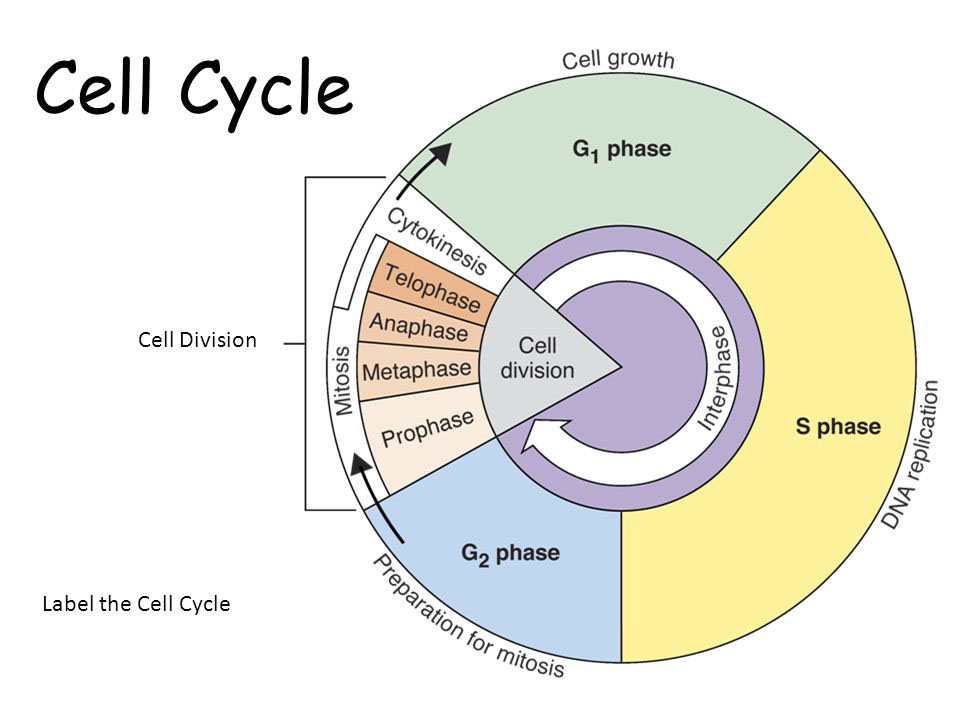 www.onlinebiologynotes.comcycle cell phases division synthesis biology mitosis cells notes phase g2 interphase growth protein which ncert solutions made known dna
3 Stages Of Cell Cycle Gcse - Slide Share
 slidesharetips.blogspot.comgcse stages mitosis slide revision minute
Cell Cycle Stages And Description - Cell Cycle
 cellcycleinfo.blogspot.commitosis synthesis processes fundamental quizizz g0 lifescience csir
Introduction To Mitosis
 www.slideshare.netmitosis stages interphase called
Gcse stages mitosis slide revision minute. Phases of cell cycle. 3 stages of cell cycle gcse